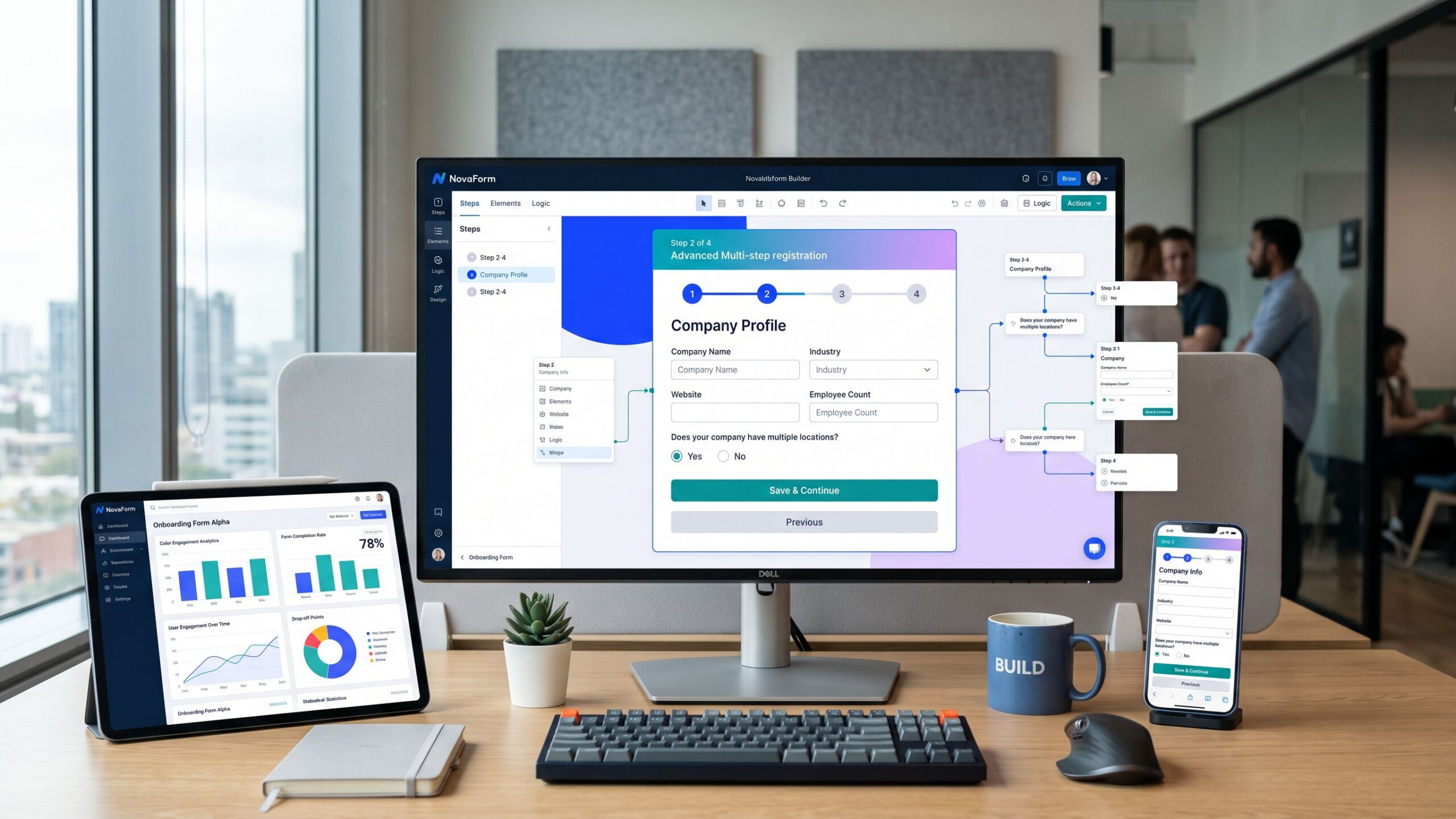
Imagine asking employees, customers, or community members to share their most honest opinions about an experience, only to discover that the responses are either too vague to be useful or so detailed that they accidentally reveal the people who submitted them. This is one of the most challenging balancing acts in modern feedback collection. Organizations want honest answers, but they also need enough information to understand what those answers mean. Respondents want privacy, but researchers need context to identify problems, recognize patterns, and recommend improvements. Anonymous feedback promises a solution by allowing individuals to express opinions without attaching their identities to their responses. However, anonymity alone does not guarantee useful information, and poorly designed surveys can unintentionally expose participants through demographic questions, technical identifiers, or highly specific written comments. The real challenge is creating a feedback system that protects individual identities while preserving meaningful information about experiences, circumstances, and recurring concerns. Modern form and survey creation software offers valuable capabilities for addressing this challenge, including anonymous response settings, conditional logic, privacy-conscious reporting, text analysis, and controlled data access. When these features are combined with thoughtful questionnaire design, organizations can collect feedback that is both candid and actionable. This comprehensive Nova Streets guide explores the principles, tools, strategies, and practical considerations involved in collecting anonymous feedback without sacrificing the context necessary for meaningful analysis.
Why Anonymous Feedback Matters in Modern Organizations
People do not always feel comfortable expressing their opinions when their names are attached to their responses. Employees may hesitate to criticize management, customers may avoid sharing negative experiences, and community members may worry about social consequences when discussing sensitive issues. Anonymous feedback can reduce some of these concerns by separating individual identities from the information being collected. This approach is particularly valuable when organizations need to understand workplace culture, customer dissatisfaction, service quality, organizational trust, or experiences involving unequal power relationships. An employee who feels uncomfortable discussing workload expectations with a supervisor may be more willing to describe the problem through an anonymous questionnaire. Similarly, a customer who experienced poor service might provide a more detailed explanation when the survey does not require personal identification. However, anonymity does not automatically eliminate fear or guarantee honesty. Respondents may still worry that their writing style, circumstances, or specific experiences could reveal their identities. Organizations must therefore establish clear privacy practices and communicate them accurately. When implemented responsibly, anonymous feedback can support more open communication, reveal overlooked concerns, and provide valuable information that might not emerge through ordinary conversations or identifiable surveys.
Understanding the Difference Between Anonymous and Confidential Feedback
One of the most important distinctions in feedback collection is the difference between anonymity and confidentiality. These terms are frequently used interchangeably, but they describe different privacy arrangements. Anonymous feedback means the organization collecting responses does not have a reasonably available way to connect individual submissions with specific respondents. Confidential feedback, by contrast, may involve collecting identifying information while restricting who can access it. For example, an employee engagement platform might know which employees completed a survey but prevent managers from viewing individual identities. That arrangement may provide strong confidentiality protections, but it is not necessarily anonymous. Similarly, a questionnaire that does not ask for names may still collect email addresses, account identifiers, IP addresses, or unique tracking information. These technical details can undermine anonymity if they remain accessible or can be connected with other records. Organizations should carefully examine how their survey software collects, stores, and reports information before describing a questionnaire as anonymous. Transparency is essential because inaccurate privacy promises can damage trust. Respondents should understand whether their identities are unknown, protected through access restrictions, or potentially identifiable under certain circumstances. Clear distinctions allow participants to make informed decisions about what they are comfortable sharing.
The Challenge of Collecting Useful Context Without Identifying Respondents
Anonymous feedback becomes difficult to interpret when organizations remove too much contextual information. A response stating that communication is poor may reveal dissatisfaction, but it provides little guidance about where the problem occurs, what causes it, or how it affects the respondent. Researchers need enough context to distinguish isolated incidents from recurring organizational patterns. However, collecting excessive details can increase the risk of identifying individuals. Asking employees to provide their exact job title, department, location, tenure, and manager may create a unique combination of characteristics, particularly in smaller organizations. Even when names are excluded, these details can make respondents recognizable. The solution is not to eliminate contextual questions entirely but to collect information at an appropriate level of detail. Broad department categories, general experience ranges, and carefully selected situational questions can help organizations understand patterns without unnecessarily narrowing respondent identities. Researchers should also consider whether every demographic variable is genuinely needed for the intended analysis. The goal is to preserve the circumstances surrounding feedback while avoiding combinations of information that expose individual participants. This requires balancing analytical usefulness against privacy risks throughout the survey design process.
Start With a Clear Feedback Objective
Successful anonymous feedback collection begins by defining what the organization wants to learn. Without a clear objective, surveys can become collections of unrelated questions that gather sensitive information without producing meaningful insights. A business evaluating customer service quality may need to understand response times, communication clarity, and problem resolution. An organization investigating workplace satisfaction might focus on leadership support, workload distribution, professional development, or employee recognition. These objectives should determine which questions are included and what contextual information is necessary. Researchers should identify the decisions that survey findings are expected to inform before creating the questionnaire. If the purpose is to improve communication across departments, broad team categories may be useful. If the goal is to evaluate a newly introduced service, questions about the type of service and general experience may provide sufficient context. Asking for additional demographic or identifying information simply because the software makes it possible creates unnecessary privacy risks. A focused survey is also easier for respondents to complete and simpler for analysts to interpret. Clear objectives help organizations collect fewer but more meaningful details, strengthening both the usefulness of the feedback and the privacy of the people providing it.
Design Anonymous Surveys With Privacy Built In
Privacy should be considered during the earliest stages of questionnaire design rather than added as an afterthought. Every field, setting, integration, and reporting feature should be evaluated for its potential to reveal respondent identities. A truly anonymous questionnaire should avoid collecting names, email addresses, employee identification numbers, or other direct identifiers unless those details are essential to a separate, clearly disclosed process. Survey administrators should review whether their software automatically records technical information such as IP addresses, device identifiers, login credentials, or unique invitation tokens. Disabling visible name fields does not necessarily disable these underlying data collection mechanisms. Organizations should also examine integrations with customer relationship management systems, human resources databases, and marketing platforms, because connected records can sometimes make otherwise anonymous responses identifiable. Privacy-conscious design includes appropriate access controls, secure data storage, limited retention periods, and careful handling of raw responses. When survey data is exported or shared, identifying metadata should not be included unnecessarily. Organizations should also document their privacy approach so administrators understand which information is collected and how it may be used. Building privacy into the process from the beginning is more reliable than attempting to remove identifying information after responses have already been collected.
Ask Questions That Preserve Meaningful Context
The quality of anonymous feedback depends heavily on question design. Broad questions can reveal overall sentiment, but carefully constructed follow-up questions help explain the circumstances behind those opinions. Instead of asking only whether employees are satisfied with workplace communication, a survey might explore how frequently important updates arrive, whether instructions are clear, and which communication channels create difficulties. This approach collects useful context without requiring respondents to identify specific coworkers or managers. Questions should focus on experiences, processes, and outcomes rather than personal identities whenever possible. Rating scales can help quantify sentiment, while multiple-choice questions can identify recurring categories of concern. Open-ended questions provide opportunities for respondents to explain experiences in their own words, but they should be written carefully to discourage unnecessary disclosure of identifying details. A prompt such as “What changes would improve communication in your work area?” may be more privacy-conscious than requesting a detailed description of a particular incident involving named individuals. Researchers should also avoid leading questions that suggest preferred answers. Neutral wording encourages more reliable responses and makes the resulting information easier to interpret. The strongest anonymous questionnaires combine structured questions with carefully framed opportunities for explanation.
Use Broad Demographic Categories Instead of Specific Identifiers
Demographic information can help organizations identify differences between groups, but excessive detail can undermine anonymity. Researchers should carefully consider which characteristics are necessary for meaningful analysis and how narrowly those characteristics should be defined. In a large organization, broad categories such as department, general tenure range, or work arrangement may help identify patterns without exposing individual respondents. In a small business, however, even a single department label could reveal someone’s identity if only one person belongs to that group. Combining multiple demographic variables increases the risk further. A respondent identified as the only remote employee in a particular department with more than fifteen years of experience may be recognizable even without a name. Organizations can reduce this risk by using broader categories, making certain questions optional, and limiting the combinations displayed in reports. Minimum reporting group sizes can also help prevent results from being shown when too few respondents belong to a category. However, no universal group-size threshold guarantees anonymity, particularly when external knowledge or detailed written comments are available. Researchers should evaluate re-identification risks based on the specific organization, audience, and information being collected. Useful segmentation should never come at the expense of unnecessary exposure.
Use Conditional Logic to Gather Relevant Details Safely
Conditional logic allows survey questions to change according to previous answers, making it possible to collect more relevant context without asking every respondent the same extensive set of questions. For example, a customer satisfaction survey might ask whether a participant experienced a problem. Respondents answering yes could receive follow-up questions about the general type of issue, while those reporting no problems could move to questions about overall satisfaction. This approach reduces unnecessary questions and helps researchers understand specific experiences. In an employee feedback survey, someone reporting dissatisfaction with professional development might receive questions about training availability, career advancement information, or managerial support. These questions provide useful context without necessarily requiring the respondent to identify a particular supervisor or incident. However, conditional logic must be designed carefully because highly specific response paths can create unique combinations of information. Organizations should avoid collecting unnecessary details simply because branching technology makes them available. Every conditional question should serve a legitimate analytical purpose. Researchers should also test each possible route to ensure that questions remain clear, relevant, and privacy-conscious. When used thoughtfully, conditional logic can improve survey efficiency while preserving the contextual information needed for meaningful interpretation.
Combine Rating Scales With Open-Ended Feedback
One of the most effective ways to preserve context in anonymous surveys is to combine quantitative ratings with carefully designed open-ended questions. Rating scales allow researchers to measure satisfaction, agreement, confidence, or frequency in a consistent format. These structured responses make it easier to compare results across groups and identify patterns over time. However, numerical scores rarely explain the reasons behind an opinion. A customer rating a service two out of five may be dissatisfied because of long waiting times, unclear instructions, unexpected costs, or an unresolved problem. An open-ended follow-up can provide the explanation needed to understand the score. The challenge is ensuring that written responses do not accidentally reveal personal identities. Respondents may include names, exact dates, unique job responsibilities, or highly specific circumstances. Survey instructions should encourage participants to describe the issue without including unnecessary identifying details. Organizations may also need to review or redact written comments before sharing them with managers or publishing reports. Automated text analysis can help identify recurring themes, but it should not replace careful privacy review. Combining structured ratings with responsible qualitative analysis creates a richer understanding of feedback while reducing unnecessary exposure.
Protect Respondents From Identification Through Written Comments
Open-ended responses often contain the most revealing information in anonymous surveys. A participant may describe a situation involving a particular meeting, unusual schedule, personal circumstance, or workplace conflict that makes their identity apparent to someone familiar with the environment. This creates a privacy challenge because the same details that make feedback useful can also make it identifying. Organizations should communicate that respondents should avoid including names or other unnecessary personal details. However, instructions alone cannot guarantee that every response will be safe to share. Raw comments may require review before being distributed to managers, clients, or other stakeholders. Reviewers can remove direct identifiers, generalize overly specific circumstances, or summarize recurring themes when individual comments create excessive identification risk. Automated redaction tools may assist with identifying names and other sensitive information, but they can overlook contextual clues. Human review remains important, particularly for sensitive workplace or community feedback. Researchers should also consider whether sharing a verbatim comment is necessary. In many situations, a carefully written thematic summary provides sufficient context without exposing the respondent’s exact language or circumstances. Protecting written feedback requires ongoing judgment rather than relying exclusively on anonymous survey settings.
Establish Minimum Reporting Thresholds for Small Groups
Reporting thresholds help reduce the risk of identifying respondents when survey results are divided into departments, locations, demographic groups, or other categories. Instead of displaying results for every possible group, organizations can establish minimum participation requirements before releasing detailed findings. For example, a reporting system might suppress results for groups containing fewer than a specified number of respondents. This can help prevent situations where a manager sees the responses of only one or two employees. However, choosing a threshold requires careful consideration because no single number guarantees anonymity. A group containing several people may still be identifiable if individual characteristics are widely known or if comments describe unique experiences. Researchers should also consider whether results from overlapping groups could be combined to infer suppressed information. For instance, showing organization-wide results alongside nearly complete departmental breakdowns may allow someone to calculate the responses of a small excluded group. Effective reporting controls should therefore examine both direct disclosures and information that could be inferred through comparisons. Minimum thresholds are useful safeguards, but they work best alongside broader privacy protections, limited access, and thoughtful reporting design.
Choose Survey Software With Appropriate Anonymous Feedback Features
The right form creation platform can simplify anonymous feedback collection, but researchers must evaluate privacy capabilities carefully. SurveyMonkey offers anonymous response configuration options and reporting features that can support confidential feedback programs when appropriately configured. Google Forms provides an accessible option for simple anonymous questionnaires, although administrators must review email collection, sign-in requirements, and response settings. Microsoft Forms can also support responses without recording names under suitable configurations, making it convenient for organizations already using Microsoft 365. Typeform offers customizable questionnaires and conditional logic that can help collect contextual feedback, but users must review hidden fields, integrations, and response tracking settings. More specialized employee experience platforms such as Culture Amp and Workday Peakon Employee Voice provide privacy-conscious reporting capabilities designed for organizational feedback programs. Qualtrics offers advanced survey configuration and reporting controls suitable for more complex research environments. No platform should be assumed anonymous by default. Organizations must verify the exact settings, metadata collection practices, integrations, and reporting protections associated with their chosen software and subscription.
Separate Anonymous Feedback From Optional Follow-Up Conversations
One of the greatest challenges of anonymous feedback is the inability to ask respondents for clarification. A survey response may describe a serious concern but omit the information necessary to understand or resolve it. Organizations can address this limitation by offering a separate, optional follow-up channel without automatically connecting identifying information to the original submission. For example, after completing an anonymous survey, respondents could be invited to contact a designated team through an independent communication process if they wish to discuss their concerns further. The invitation should make clear that participation is voluntary and that providing contact information changes the privacy arrangement for that separate conversation. Some specialized feedback systems also support anonymous two-way messaging through pseudonymous identifiers, allowing follow-up questions without directly revealing identities. However, these systems still require careful evaluation because message content, technical metadata, and administrator access may create identification risks. Organizations should avoid using hidden tracking methods to reconnect anonymous responses with individuals who did not consent to identification. The goal is to create opportunities for clarification while preserving the privacy expectations established during the original survey.
Analyze Anonymous Feedback Without Making Assumptions
Anonymous survey results can reveal valuable patterns, but they must be interpreted carefully. Without direct knowledge of individual respondents, researchers may be tempted to make assumptions about who submitted particular comments or why certain groups expressed dissatisfaction. Such speculation can undermine privacy and distort the findings. Analysis should focus on recurring themes, overall trends, and relationships between appropriately collected variables. Quantitative results can help identify areas of concern, while qualitative comments can provide examples of the experiences behind those patterns. Researchers should also consider response rates and potential nonresponse bias. Individuals with particularly positive or negative experiences may be more motivated to participate, meaning survey results do not necessarily represent every member of the intended population. Small samples and limited demographic information can further restrict conclusions. Automated sentiment analysis may help organize written feedback, but sarcasm, cultural differences, and complex language can produce classification errors. Findings should be presented with appropriate limitations and without implying greater certainty than the evidence supports. The purpose of anonymous feedback analysis is to understand collective experiences, not to reconstruct the identities or intentions of individual participants.
Use AI and Text Analysis Responsibly
Artificial intelligence can help organizations analyze large volumes of anonymous written feedback by identifying recurring topics, categorizing comments, and summarizing common concerns. This can be especially useful when hundreds or thousands of respondents provide detailed explanations. AI-assisted tools may highlight themes such as communication problems, product usability concerns, scheduling difficulties, or dissatisfaction with customer support. However, automated analysis introduces privacy and accuracy considerations. Organizations should examine whether feedback data is transferred to external AI services, how that information is retained, and whether it may be used for purposes beyond the original survey. Sensitive comments should not be uploaded into tools without appropriate authorization and data protection safeguards. Automated systems can also misinterpret tone, overlook important context, or produce summaries that exaggerate certain themes. Human review remains essential, particularly when findings could influence employment decisions, organizational policies, or sensitive customer relationships. AI can make feedback analysis more efficient, but it should support responsible interpretation rather than replace it. The strongest approach combines technological assistance with careful privacy management and professional judgment.
Build Trust Through Clear Privacy Communication
Respondents are more likely to participate thoughtfully when they understand how their information will be protected. Organizations should explain whether the survey is anonymous or confidential, what information is collected, who can access responses, and how findings will be reported. These explanations should be written in clear language rather than hidden within lengthy technical policies. If responses are grouped before managers can view them, the reporting process should be described accurately. If certain metadata is collected for security or operational purposes, organizations should avoid making promises that contradict those practices. Trust also depends on consistency. A business that promises anonymous feedback but later attempts to identify critical respondents can seriously damage confidence in future surveys. Organizations should establish internal rules preventing inappropriate attempts to trace responses and ensure that employees responsible for analyzing feedback understand their obligations. When feedback involves sensitive concerns, clear information about alternative reporting channels may also be necessary. Anonymous surveys should not be presented as substitutes for formal complaint, safety, or emergency reporting procedures when individual follow-up is essential. Transparent communication creates realistic expectations and supports a more credible feedback process.
Turn Anonymous Feedback Into Meaningful Organizational Improvements
Collecting anonymous feedback provides little value unless organizations use the findings to guide appropriate action. Once responses have been analyzed, researchers should identify recurring concerns, prioritize issues based on their significance, and recommend realistic improvements. A company receiving repeated feedback about unclear communication might review its internal announcement procedures, while a service provider receiving complaints about long response times could examine staffing and support workflows. The emphasis should remain on addressing patterns and underlying processes rather than identifying who submitted particular responses. Organizations should also communicate findings back to the relevant audience whenever appropriate. Sharing broad themes, planned improvements, and subsequent progress demonstrates that feedback is being taken seriously. However, public summaries should avoid exposing small groups or reproducing comments that could identify respondents. Repeating surveys over time can help measure whether changes are associated with improved perceptions, although researchers should avoid assuming that every change in scores was caused by a particular intervention. Meaningful follow-through transforms anonymous feedback from a passive collection exercise into an ongoing improvement process.
Common Anonymous Feedback Mistakes That Can Undermine Trust
One of the most serious mistakes organizations make is promising anonymity without verifying how their survey software actually handles respondent information. A questionnaire that does not display a name field may still retain identifiers through authentication, tracking links, or connected applications. Another common problem is collecting overly detailed demographic information that makes individual respondents recognizable. Sharing raw written comments without reviewing identifying details can create similar risks. Organizations may also undermine trust by asking managers to guess who submitted particular feedback or by using survey results to investigate individual critics. Poor questionnaire design introduces additional challenges. Vague questions can produce responses that lack useful context, while leading questions may distort findings. Excessive surveys can contribute to respondent fatigue, and failure to act on feedback may reduce future participation. Another mistake is assuming that anonymous feedback provides a complete picture of organizational sentiment. Participation patterns, sampling limitations, and missing context can influence results. Successful feedback programs require accurate privacy promises, careful questionnaire design, responsible reporting, and a genuine commitment to using findings constructively.
The Future of Anonymous Feedback: Smarter Privacy and Better Insights
Anonymous feedback technology continues to evolve as organizations seek stronger privacy protections without sacrificing analytical usefulness. Modern survey platforms increasingly incorporate sophisticated access controls, automated reporting safeguards, text analysis, and configurable data collection settings. Privacy-enhancing approaches such as data minimization, aggregation, and controlled disclosure can help reduce identification risks while preserving meaningful trends. Some systems also explore anonymous two-way communication, allowing organizations to request clarification without immediately revealing respondent identities. Artificial intelligence may improve the organization of large feedback datasets, but its use must be accompanied by careful evaluation of accuracy, privacy, and data governance. More advanced analytical techniques can also introduce new risks if they allow organizations to infer personal characteristics from combinations of seemingly harmless information. Future improvements should therefore prioritize transparency and responsible data handling rather than simply increasing the amount of information collected. The most promising feedback systems will help organizations understand experiences at a meaningful level while making it increasingly difficult to expose the individuals who shared them.
Final Verdict: Collect Honest Feedback While Protecting the People Behind It
Anonymous feedback offers organizations a valuable opportunity to understand experiences that might otherwise remain unspoken. Employees can raise workplace concerns, customers can describe disappointing experiences, and community members can share opinions without automatically attaching their identities to their responses. However, successful anonymous feedback collection requires more than removing name fields from a questionnaire. Organizations must carefully consider technical metadata, demographic combinations, written comments, reporting thresholds, access controls, and the possibility of identifying respondents through contextual clues. Thoughtful survey design can preserve useful information by focusing on experiences, processes, and recurring concerns rather than unnecessary personal details. Conditional logic, structured rating scales, carefully framed open-ended questions, and privacy-conscious analysis can help researchers understand the meaning behind responses while reducing identification risks. Platforms such as SurveyMonkey, Google Forms, Microsoft Forms, Typeform, Culture Amp, Qualtrics, and Workday Peakon provide capabilities that may support anonymous or confidential feedback programs, but every implementation requires careful configuration and verification. Ultimately, the most effective approach combines trustworthy technology with transparent communication, responsible research practices, and meaningful organizational action. For Nova Streets readers exploring form and survey creation software, the central principle is that valuable feedback should reveal the problems that need attention without unnecessarily revealing the people who raised them. When privacy and context are balanced thoughtfully, anonymous surveys become powerful tools for building trust, identifying meaningful patterns, improving experiences, and encouraging more open communication.
Form and Survey Creation Software Reviews
Explore Nova Street’s Top 10 Best Form and Survey Creation Software Tools! Dive into our comprehensive analysis of the most powerful platforms designed to transform how you create, distribute, and analyze forms and surveys across every device. Our detailed side-by-side comparison chart helps you pinpoint the perfect solution for online surveys, feedback collection, registrations, quizzes, and data reporting—all in real time. We break down every critical element—question types, logic and branching, design customization, response limits, analytics and reporting, integrations, automation workflows, security and compliance, pricing, and cross-platform compatibility—so your data collection process stays smart, efficient, and seamlessly connected across Windows, macOS, iOS, Android, and the web.